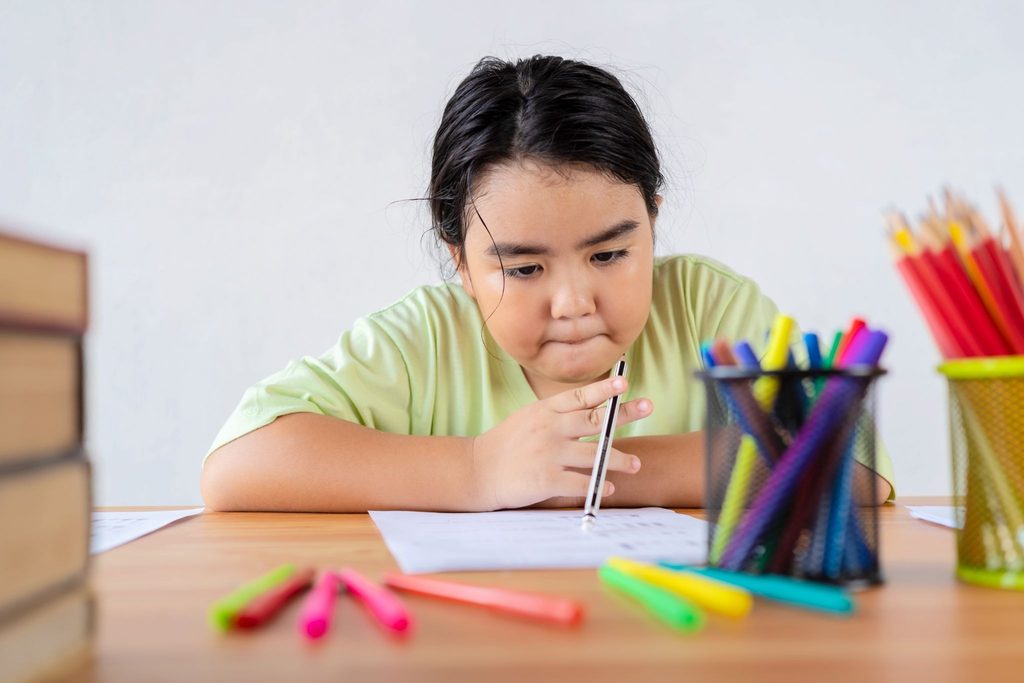
Unlocking the Future: Bold Education Updates Shaping Tomorrow’s Learners

Unlocking the Future: Bold Education Updates Shaping Tomorrow’s Learners
Education is evolving at an unprecedented pace, driven by technological advancements, shifting societal needs, and a growing recognition of the importance of adaptability. As we stand on the brink of a new era, educational systems worldwide are undergoing transformative changes to prepare learners for an uncertain but exciting future. From artificial intelligence and personalized learning to global collaboration and skills-based education, these updates are not just improving teaching methods, they are redefining what it means to learn.
In this blog post, we’ll explore the most impactful education updates reshaping how students engage with knowledge, acquire skills, and thrive in an ever-changing world.
—
The Rise of Personalized and Adaptive Learning
One of the most significant shifts in modern education is the move toward personalized learning, where instruction is tailored to each student’s unique strengths, weaknesses, and learning pace. Traditional one-size-fits-all classrooms are giving way to dynamic, student-centered approaches that leverage technology to create customized learning experiences.
Key Innovations in Personalized Learning
- AI-Powered Adaptive Platforms
Tools like Khan Academy, Duolingo, and DreamBox use artificial intelligence to assess student performance in real time and adjust lesson difficulty accordingly. These platforms analyze patterns in mistakes and suggest targeted practice areas, ensuring no student falls behind or gets bored.
- Gamification and Interactive Learning
Games like Minecraft: Education Edition and Prodigy Math make learning engaging by incorporating challenges, rewards, and progress tracking. This approach boosts motivation, especially among younger learners who respond well to interactive and competitive elements.
- Competency-Based Education (CBE)
Instead of relying solely on grades or time spent in class, CBE focuses on mastery of skills. Students advance only when they demonstrate proficiency, allowing them to move at their own speed. Schools like High Tech High in San Diego have successfully implemented this model, leading to higher student engagement and real-world readiness.
- Blended Learning Models
Combining traditional classroom instruction with online learning, blended models (such as flipped classrooms or rotating schedules) give students flexibility while maintaining structured guidance. Platforms like Google Classroom and Microsoft Teams facilitate seamless integration of digital and in-person learning.
—
The Role of Technology in Redefining Education
Technology is no longer just a supplementary tool in education, it is becoming the backbone of learning. From virtual reality (VR) simulations to blockchain-based credentialing, technological innovations are breaking down barriers to access and redefining how knowledge is delivered.
Emerging Tech Trends in Education
- Virtual and Augmented Reality (VR/AR) for Immersive Learning
VR allows students to explore historical events, dissect virtual organisms in biology, or even walk on Mars, all from the classroom. Companies like Meta (formerly Facebook) and Google Expeditions are making these experiences accessible to educators worldwide.
- Blockchain for Credential Verification
Traditional diplomas and certificates can be forged or misplaced. Blockchain technology ensures immutable, tamper-proof records of achievements. Platforms like Learning Machine’s Blockcerts allow students to store and share credentials securely, opening doors to global opportunities.
- AI Tutors and Virtual Assistants
AI-driven tutors such as Socratic by Google and Coursera’s AI mentors provide instant feedback, answer questions, and recommend resources. These tools are particularly beneficial in STEM fields, where students often struggle with complex concepts.
- EdTech and Open Educational Resources (OER)
Free, high-quality learning materials from platforms like Khan Academy, MIT OpenCourseWare, and Khanmigo democratize education. Governments and nonprofits are investing heavily in OER to reduce costs and improve access, especially in underserved regions.
—
Skills Over Grades: The Shift Toward Competency-Based Learning
While traditional education systems have long prioritized test scores and memorization, the future belongs to skills-based learning. Employers are increasingly seeking candidates who can think critically, collaborate, solve problems, and adapt, qualities that standardized tests often fail to measure.
Why Competency-Based Learning Matters
- Real-World Readiness
Schools like Northwest Evaluation Association (NWEA) and Summit Learning focus on applied skills rather than rote learning. Students work on projects that mimic real-world challenges, such as designing a sustainable city or developing a business plan.
- Soft Skills Development
Emotional intelligence, creativity, and communication are now as important as academic knowledge. Programs like CASEL’s Social-Emotional Learning (SEL) integrate these skills into curricula, helping students navigate challenges both inside and outside the classroom.
- Micro-Credentials and Badges
Instead of waiting years for a degree, learners can earn micro-credentials (short-term certifications in specific skills) through platforms like Coursera, edX, and LinkedIn Learning. These badges are recognized by employers and allow for lifelong learning without traditional barriers.
- Project-Based Learning (PBL)
PBL encourages students to explore real-world problems through hands-on projects. For example, a high school biology class might partner with a local hospital to study disease prevention. This method enhances critical thinking and teamwork while making learning more meaningful.
—
Global Collaboration and Cross-Cultural Learning
In an interconnected world, education is no longer confined to national borders. Global collaboration is becoming essential, fostering cultural understanding, linguistic fluency, and international perspectives.
How Global Education is Evolving
- Online Exchange Programs
Platforms like ePals, Global Nomads Group, and Skype in the Classroom connect students from different countries for language practice, cultural discussions, and collaborative projects. These interactions help break down stereotypes and promote empathy.
- Multilingual Education Initiatives
With English as the dominant global language, many schools are introducing mandatory second-language programs. However, efforts are also growing to preserve indigenous languages through digital archives and immersive learning apps.
- Virtual Study Abroad Programs
Students can now experience foreign cultures without leaving their classrooms. Programs like Go Overseas and Study Abroad.com offer virtual exchanges, where learners participate in discussions with international peers and explore global perspectives.
- UN Sustainable Development Goals (SDGs) in Curricula
Schools are increasingly integrating global citizenship education, teaching students about climate change, poverty, and social justice through project-based learning. Organizations like UNICEF and UNESCO provide frameworks for educators to incorporate these themes into lessons.
—
The Future of Assessment: Beyond Traditional Tests
Standardized testing has long been the primary measure of student success, but educators are now questioning whether these methods truly reflect real-world competence. New assessment models are emerging, focusing on continuous evaluation, portfolios, and performance-based metrics.
Innovative Assessment Methods
- Portfolio-Based Assessments
Instead of a single exam, students compile projects, reflections, and evidence of growth over time. This approach gives a holistic view of their abilities, including creativity and resilience.
- Performance Tasks and Rubrics
Schools like New Tech Network use rubrics to evaluate students on real-world tasks, such as presenting a research project or designing a marketing campaign. This method ensures assessments are contextual and relevant.
- Growth Mindset and Self-Assessment
Programs like Carol Dweck’s Growth Mindset encourage students to reflect on their progress rather than fixate on grades. Teachers guide learners in setting personal goals and tracking improvement through self-assessment journals.
- Blockchain and Credentialing
As mentioned earlier, blockchain technology is revolutionizing how achievements are verified. Students can store, share, and update their credentials dynamically, making the assessment process more transparent and flexible.
—
Challenges and Considerations in Modern Education
While these innovations hold immense promise, they also come with challenges that educators, policymakers, and technologists must address.
Key Challenges
- Digital Divide
Not all students have equal access to high-speed internet or devices. Efforts like Google’s Project for Everyone and One Laptop per Child aim to bridge this gap, but more needs to be done.
- Teacher Training and Adaptation
Educators must be prepared to integrate new technologies and methodologies. Professional development programs, such as those offered by EdTech companies and universities, are crucial for keeping teachers updated.
- Data Privacy and Security
With AI and digital platforms collecting vast amounts of student data, privacy concerns arise. Regulations like the Family Educational Rights and Privacy Act (FERPA) must be enforced strictly to protect learners.
- Standardization vs. Personalization
While personalized learning is ideal, scaling these models can be difficult. Schools must find a balance between individualized instruction and structured learning frameworks.
—
Conclusion: Building a Learning Ecosystem for the Future
The education landscape is undergoing a paradigm shift, moving away from rigid, outdated systems toward **flexible, adaptive, and future-